A cultural food archive for the diaspora
Learn the recipe before it’s lost.
Dietspora preserves cultural identity through food: recipes, stories, and recipe books for diaspora communities around the world.
The meals you grew up with deserve to survive.
Some recipes do not disappear all at once.
A pinch of this.
A little of that.
Cook it until it looks right.
Ask your auntie.
Watch your mother’s hands…
They fade slowly. One vague instruction at a time. Call your grandmother. She’ll talk you through it.
Then one day, the person who knew exactly how to make it is no longer standing in the kitchen, and the dish everyone loved becomes “something grandma used to make.”
Dietspora exists for the recipes, stories, and food memories families meant to pass down, but never quite wrote down.
What Dietspora is
A cultural food archive built through media, stories, and recipe books.
Recipes, food memory essays, and digital cookbooks: one platform helping diaspora communities learn and document the meals that shaped them.
Recipes with their memory attached
Family-style recipes that carry cultural context, kitchen notes, and the questions to ask your own family, not just ingredients and steps.
Food memory stories
Essays from diaspora kitchens: the dish nobody measured, the Sunday pot, the suitcase that smelled like cumin.
Recipe books
Culture-specific cookbooks for diaspora kitchens, starting with The Nigerian-American Table.
A short cooking quiz
Eight questions about the food you grew up eating. The score is free. The answer key asks for an email.
A media home for food memory
A growing archive across social, video, and the newsletter: built so cultural food knowledge stays loud.
Food is memory you can taste. The recipe is the inheritance.
Browse by culture
Find the food that feels like home.
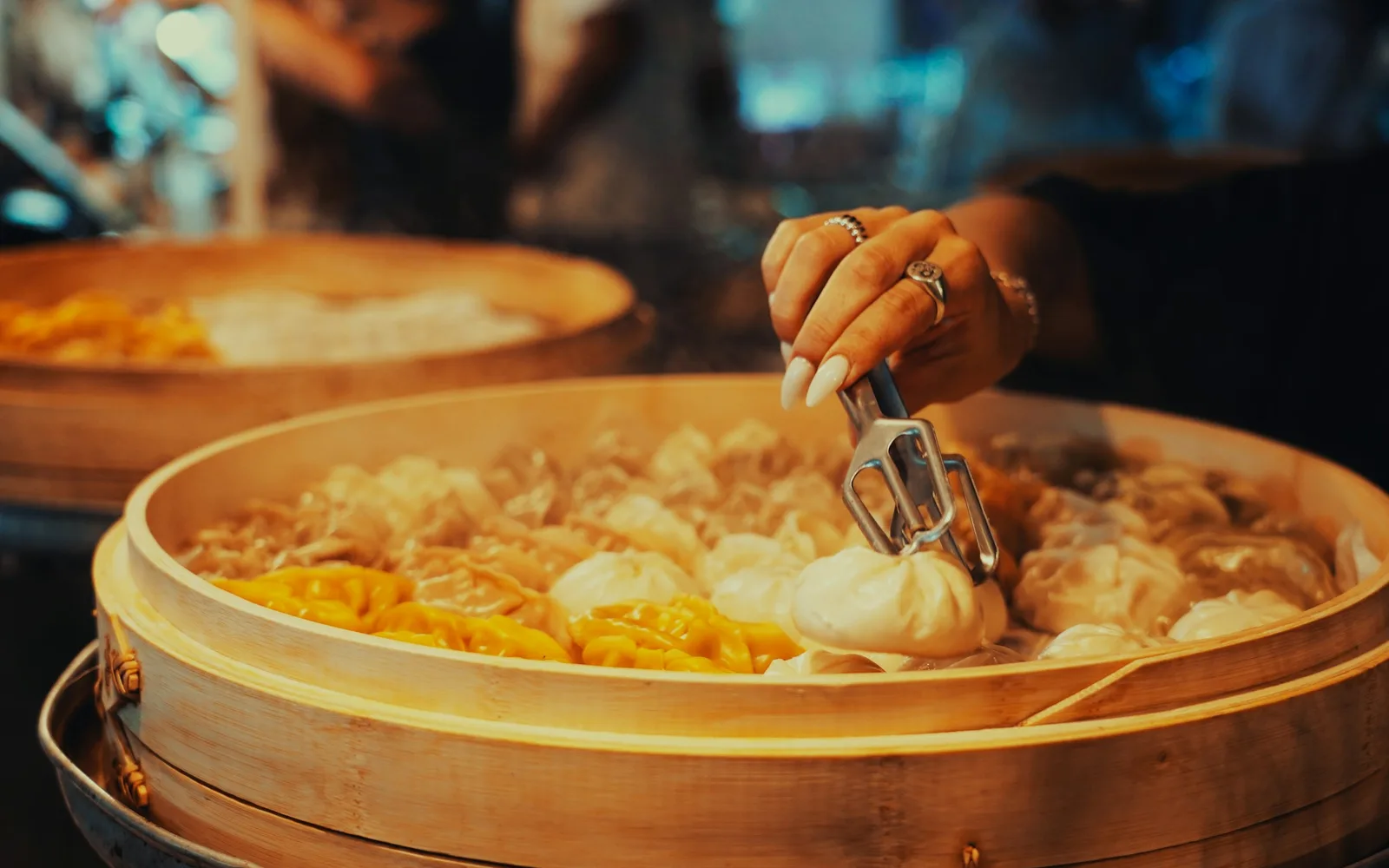
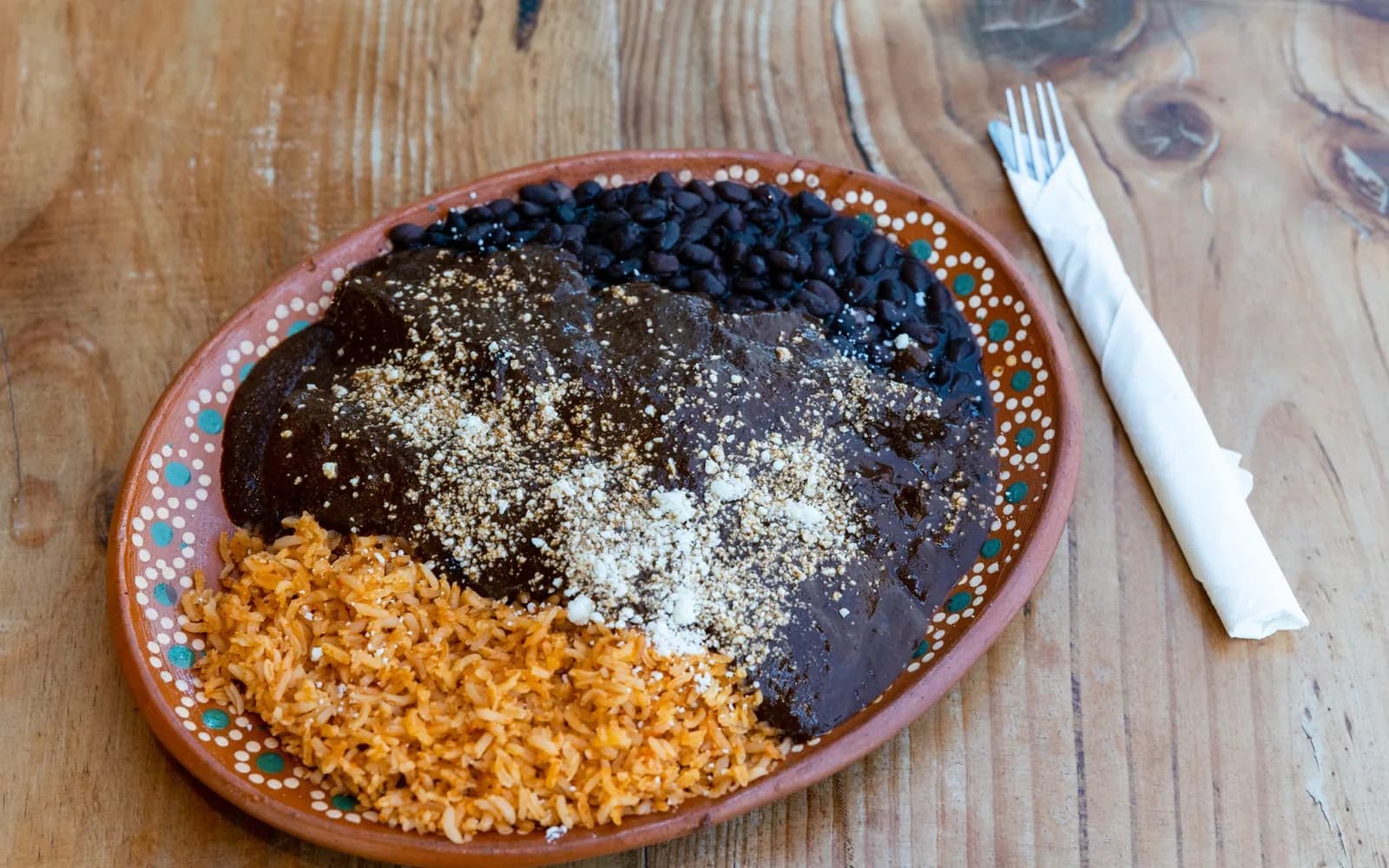
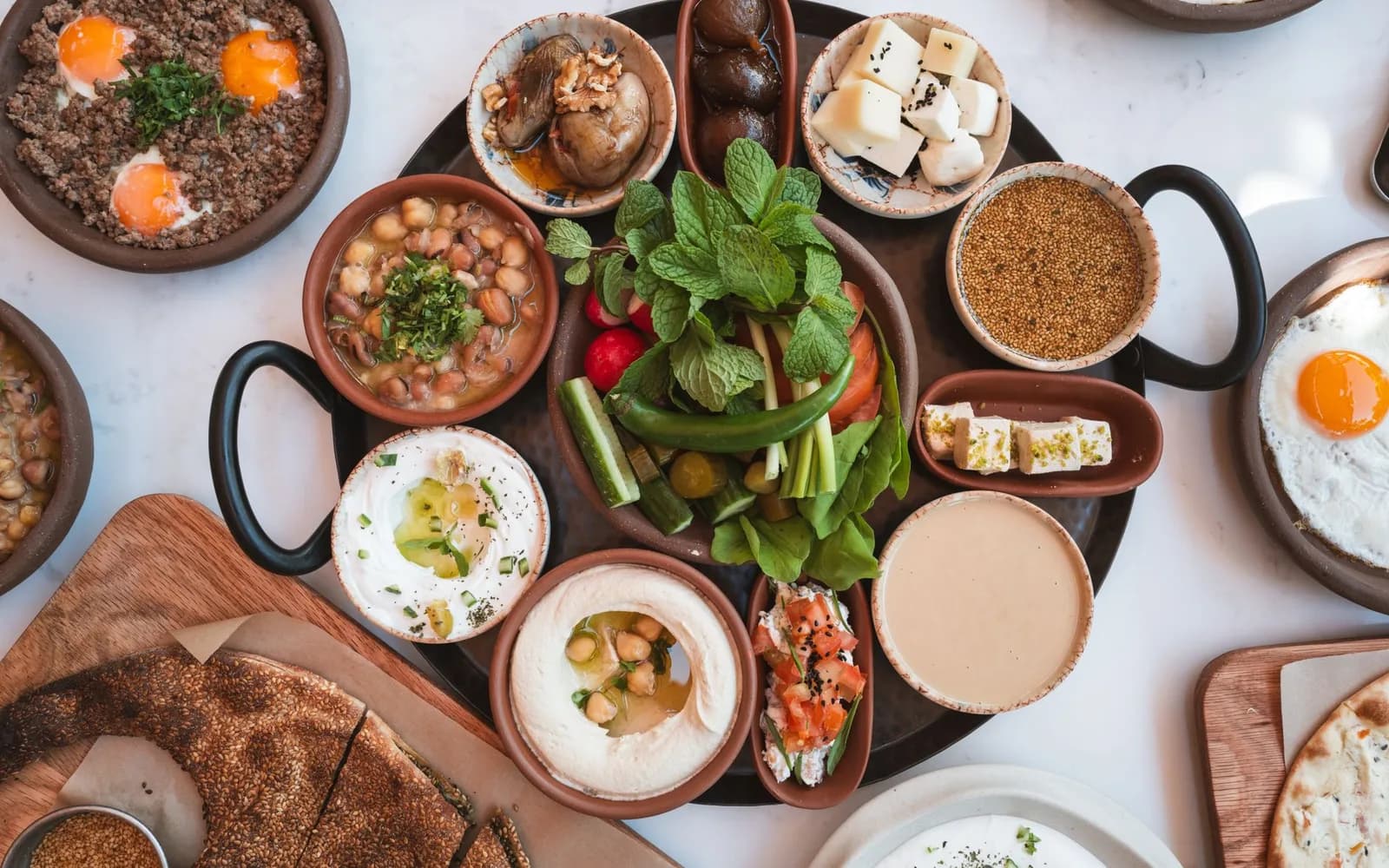
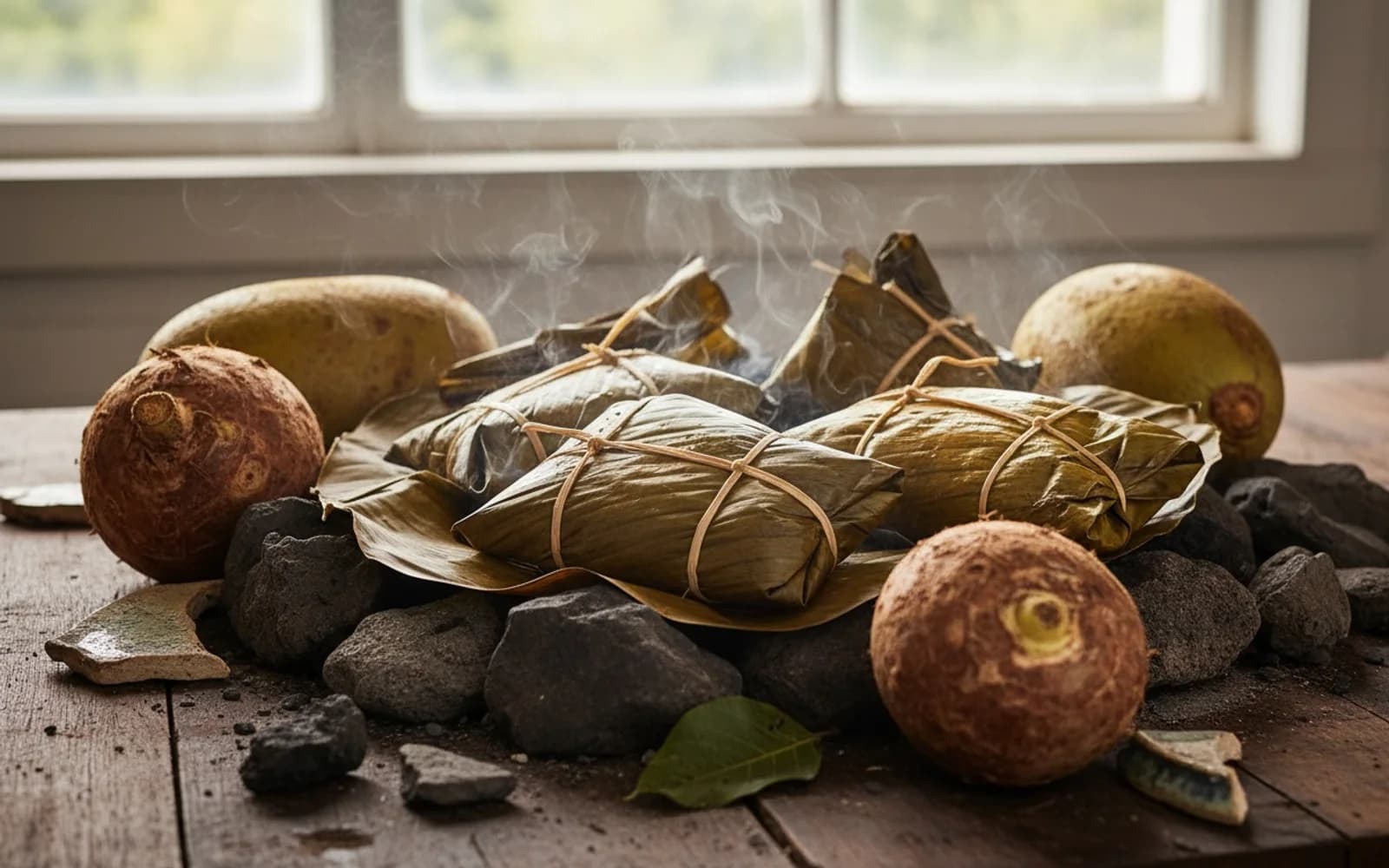
Explore recipes, stories, and recipe books organized by the cultures and communities that shaped them.
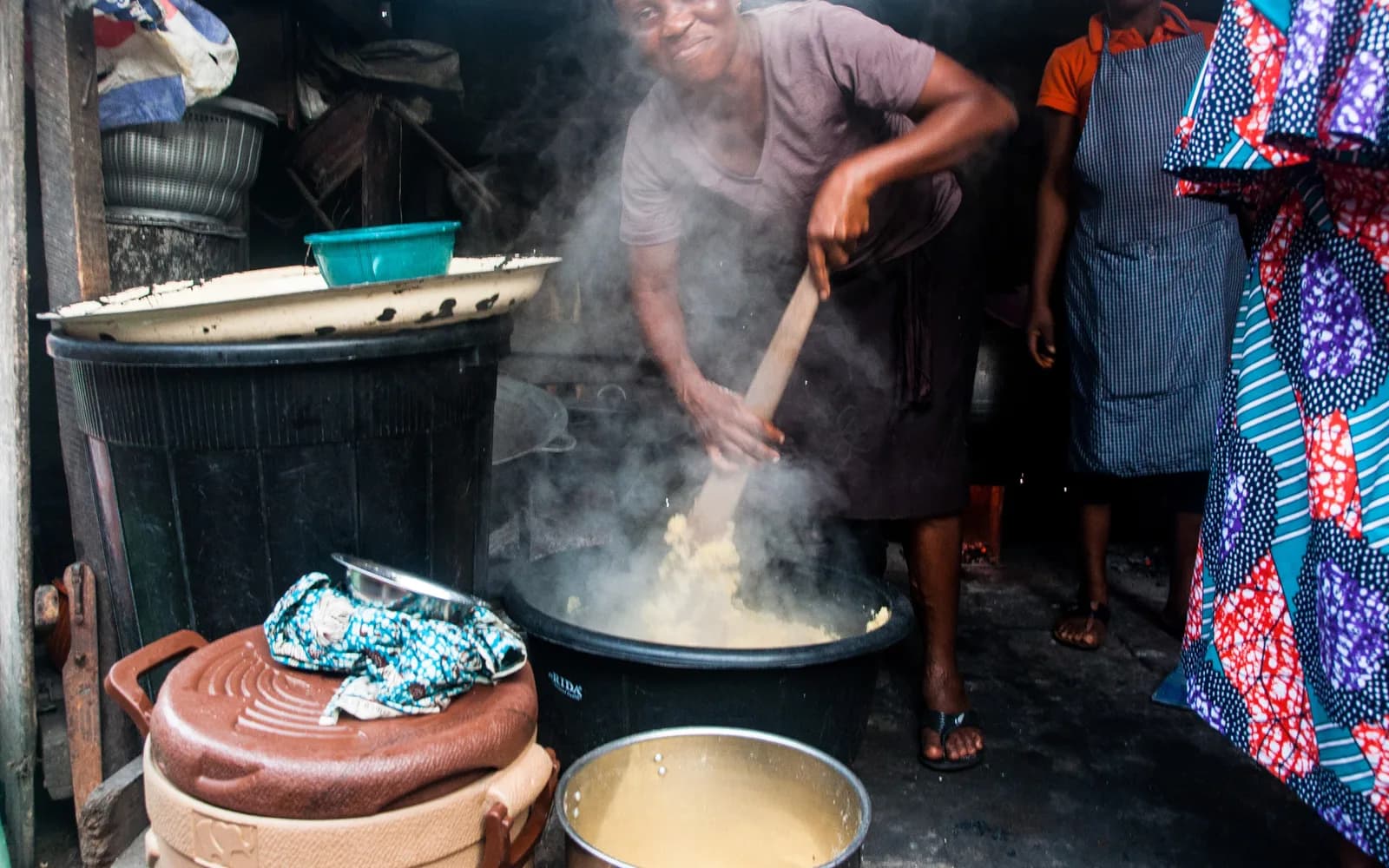
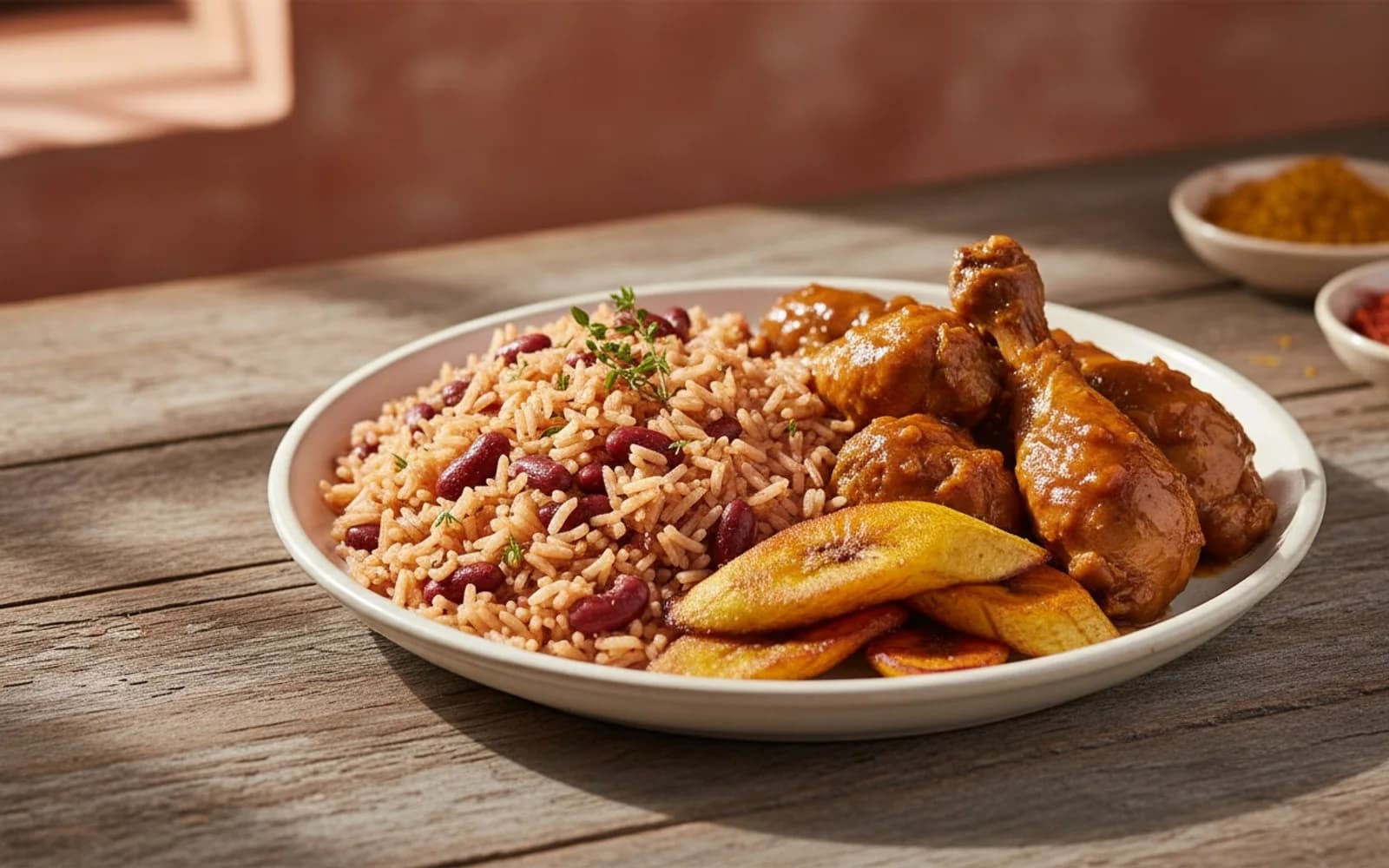
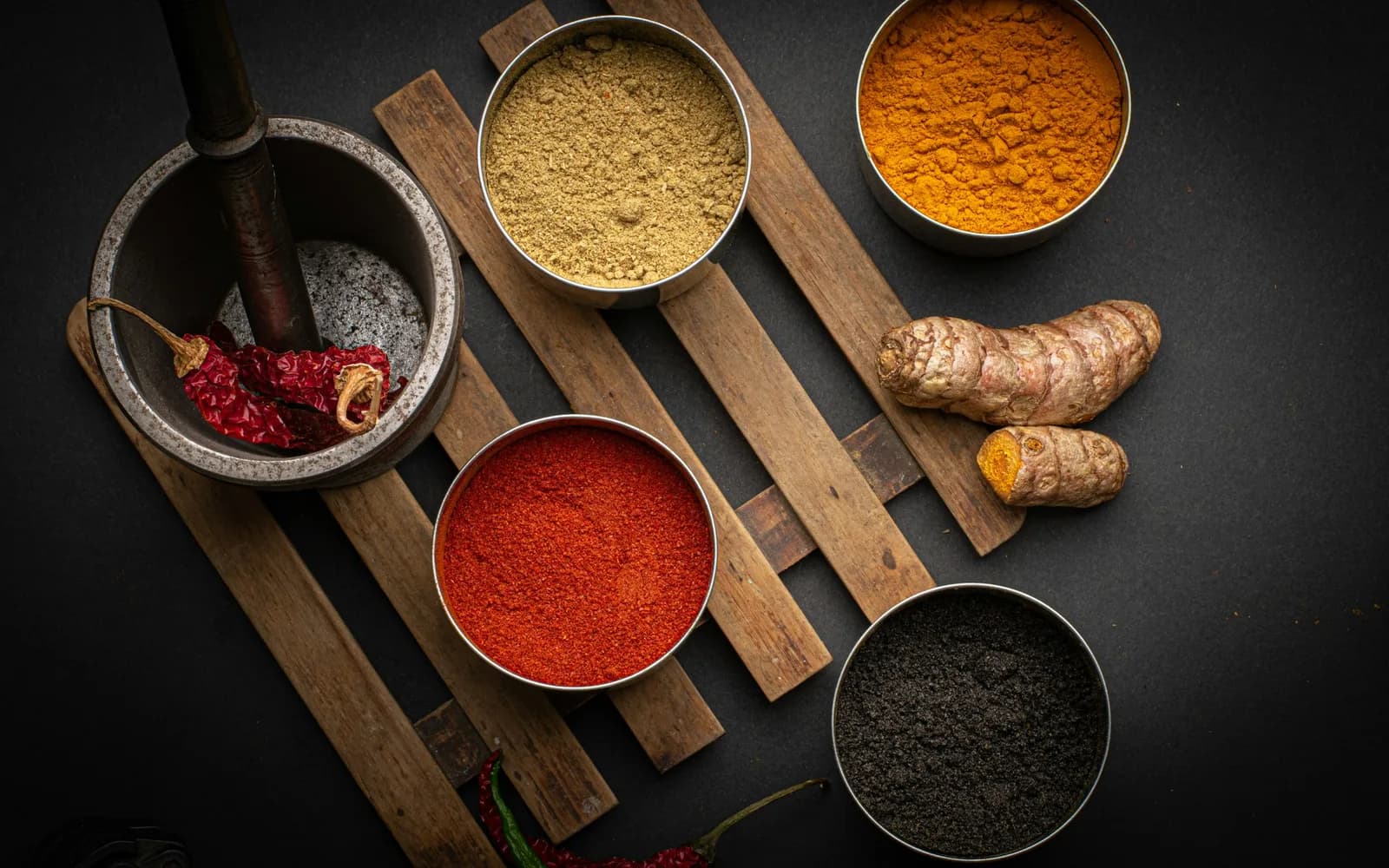
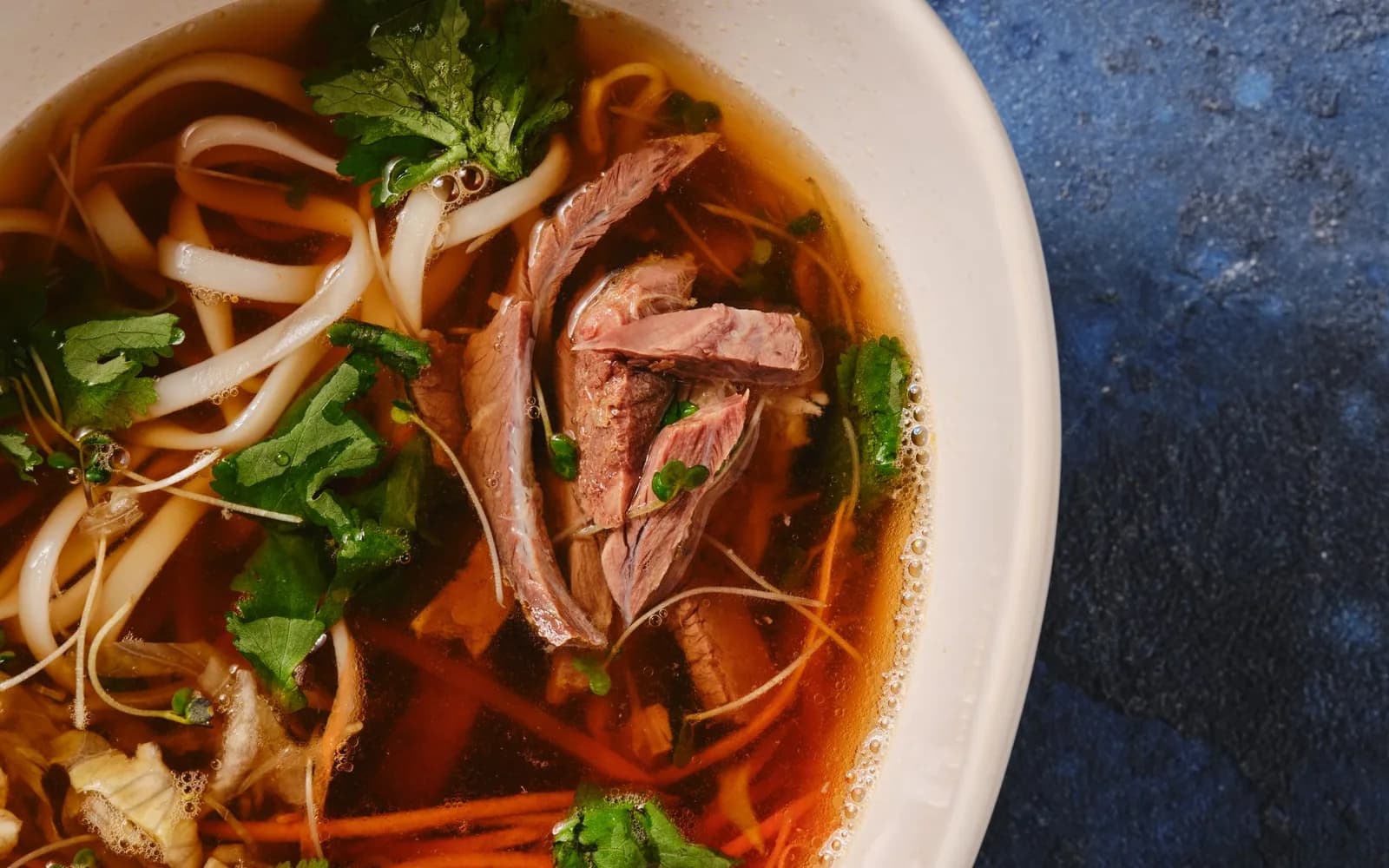
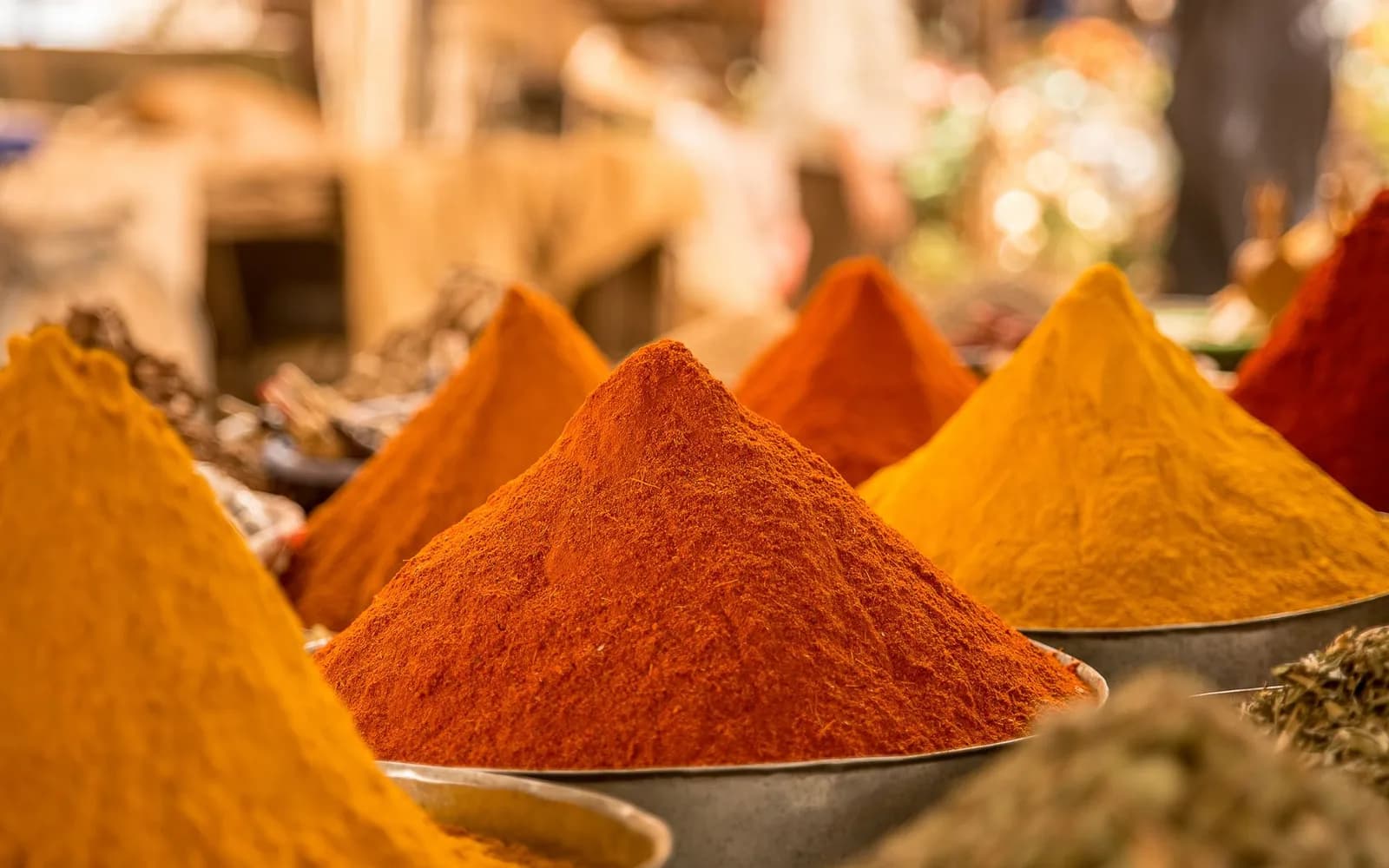
From the archive
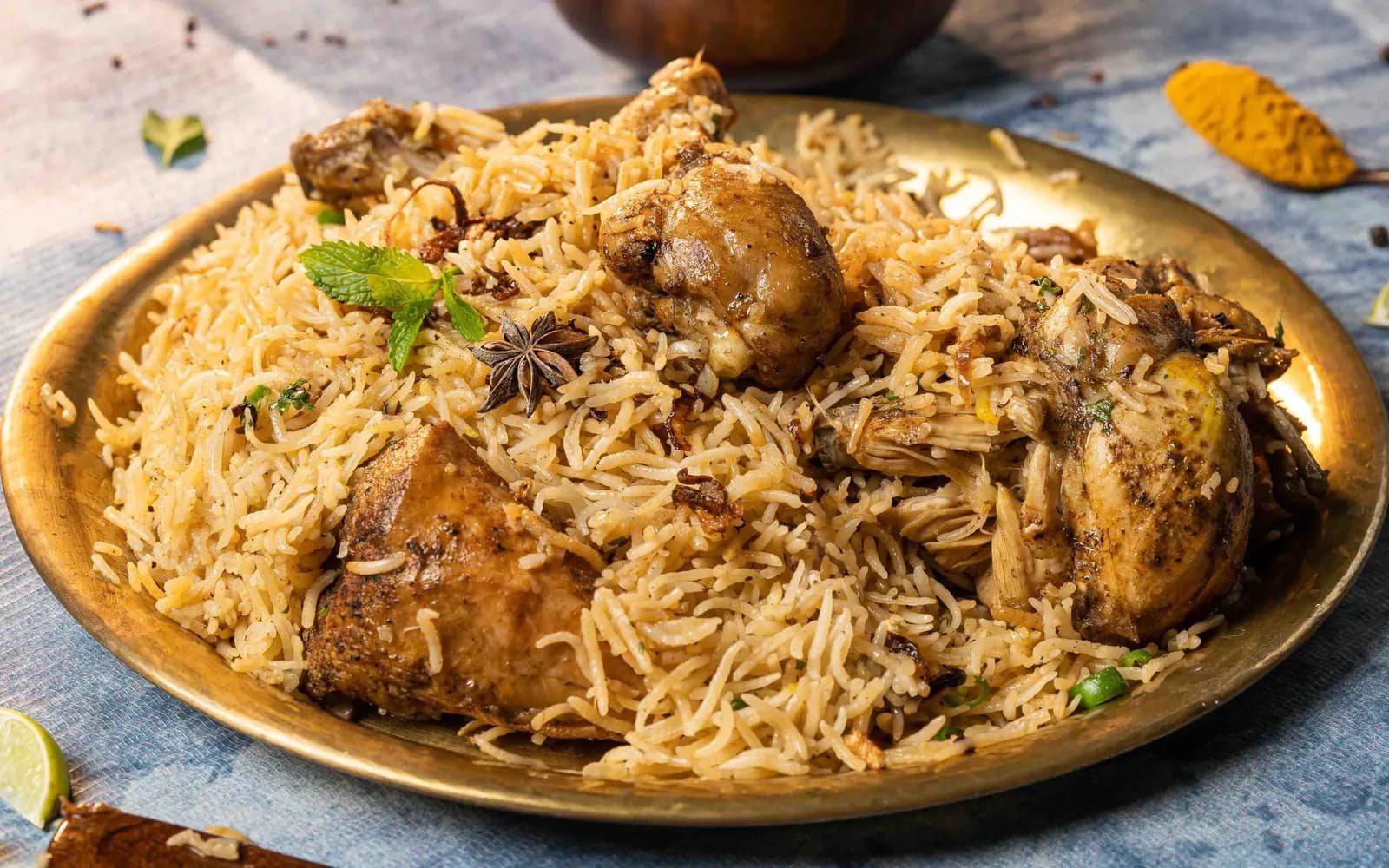
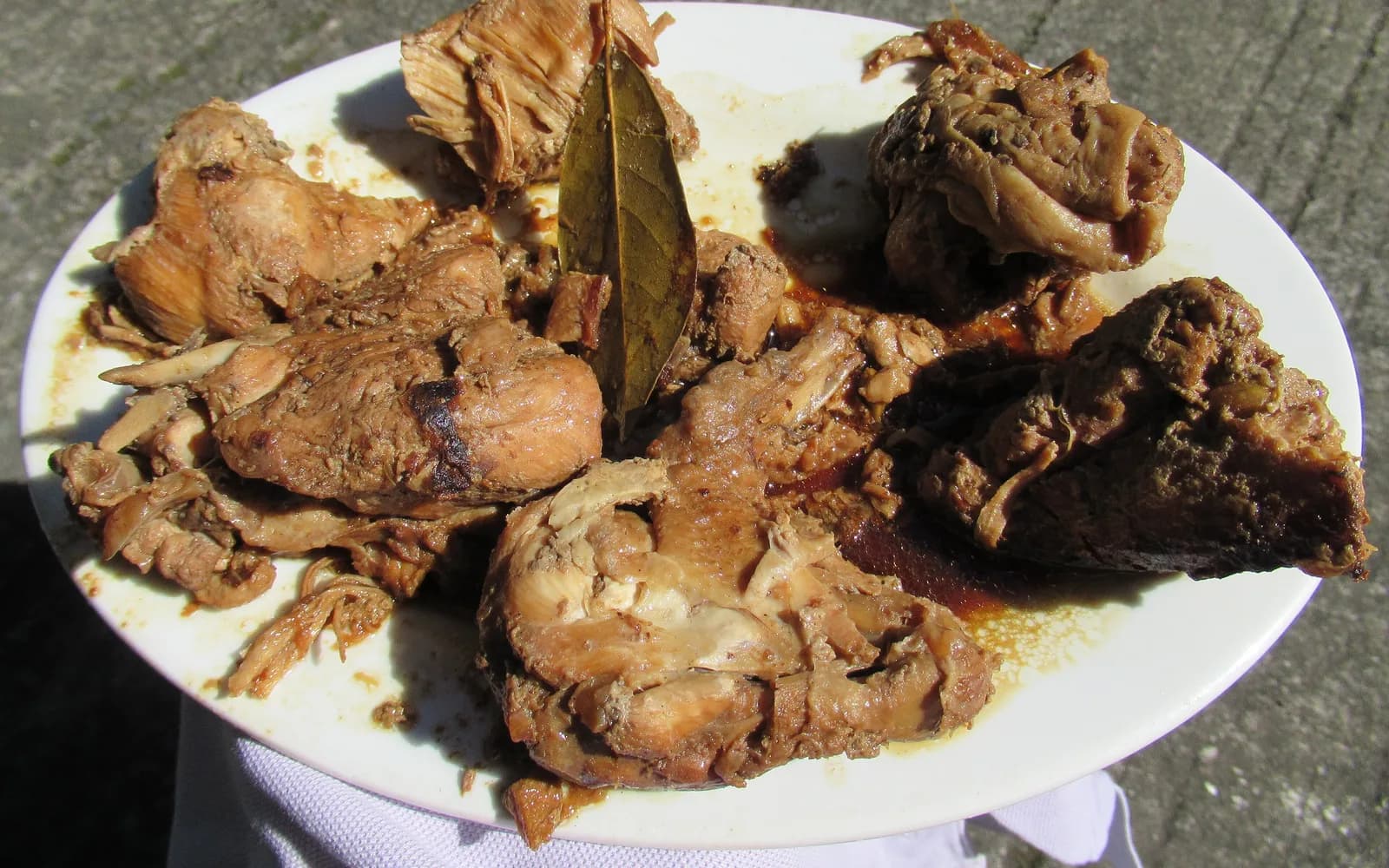
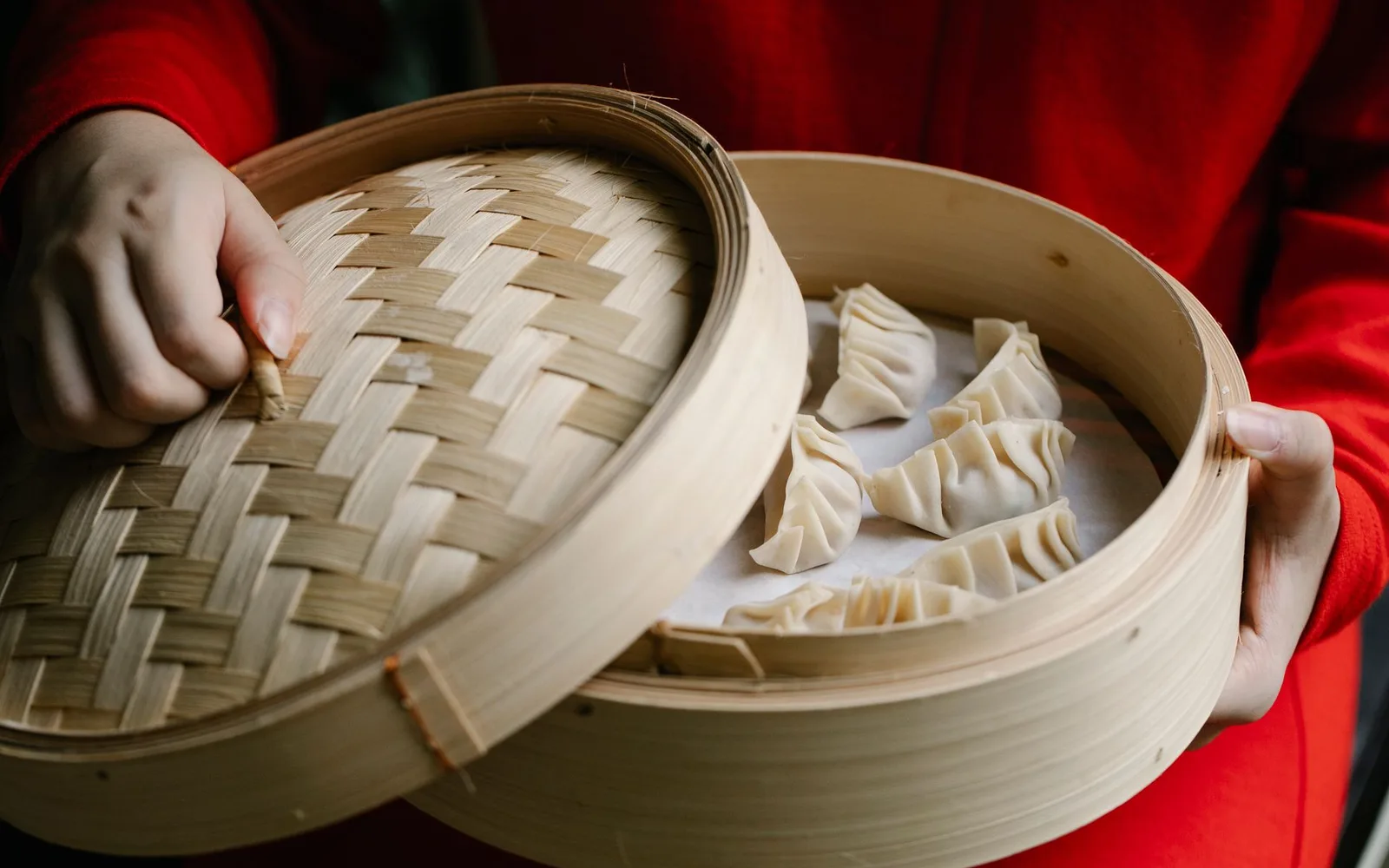
Recipes that carry their stories with them.
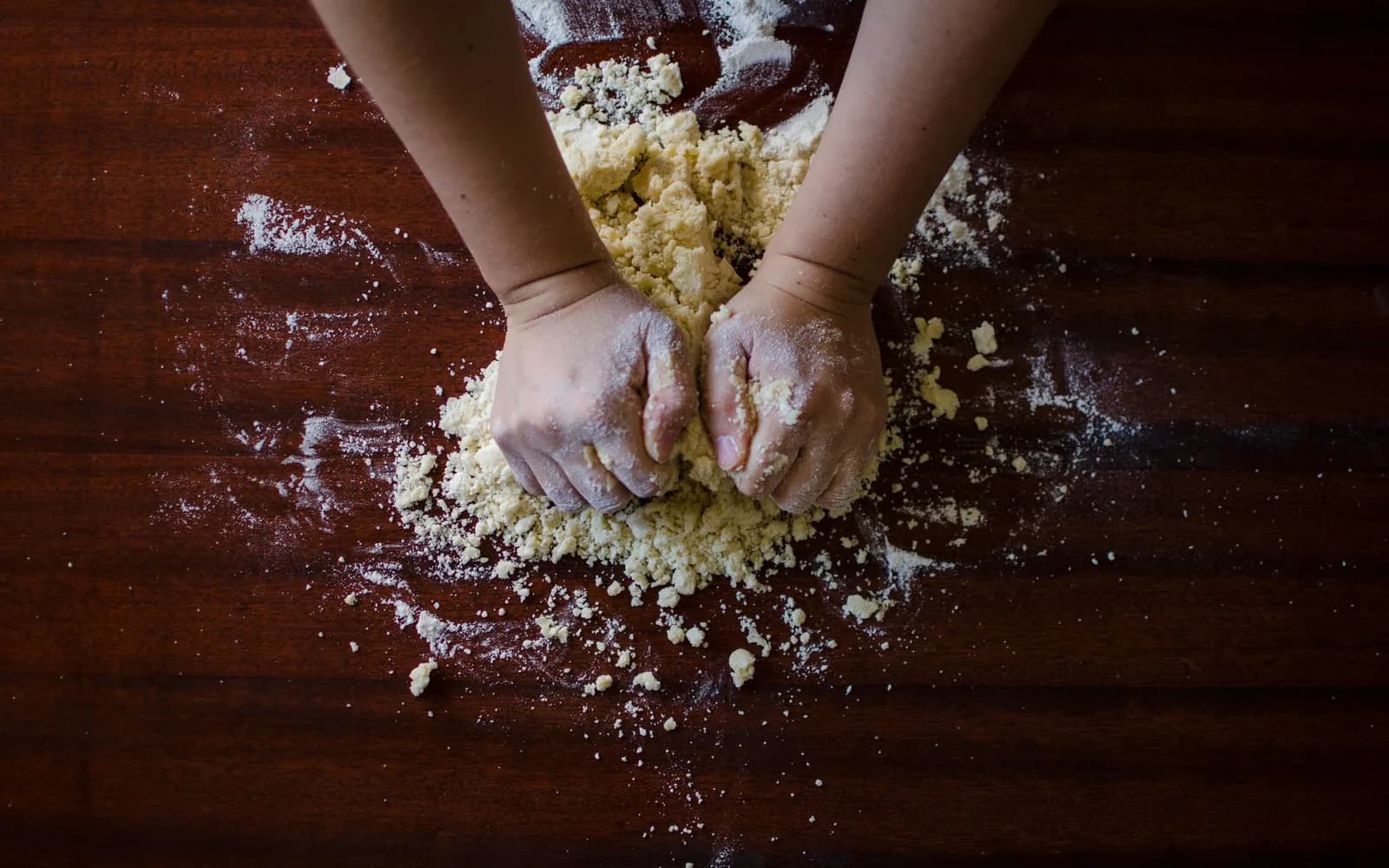
Not just ingredients and steps: every Dietspora recipe holds cultural context, family notes, and the questions to ask before you cook.
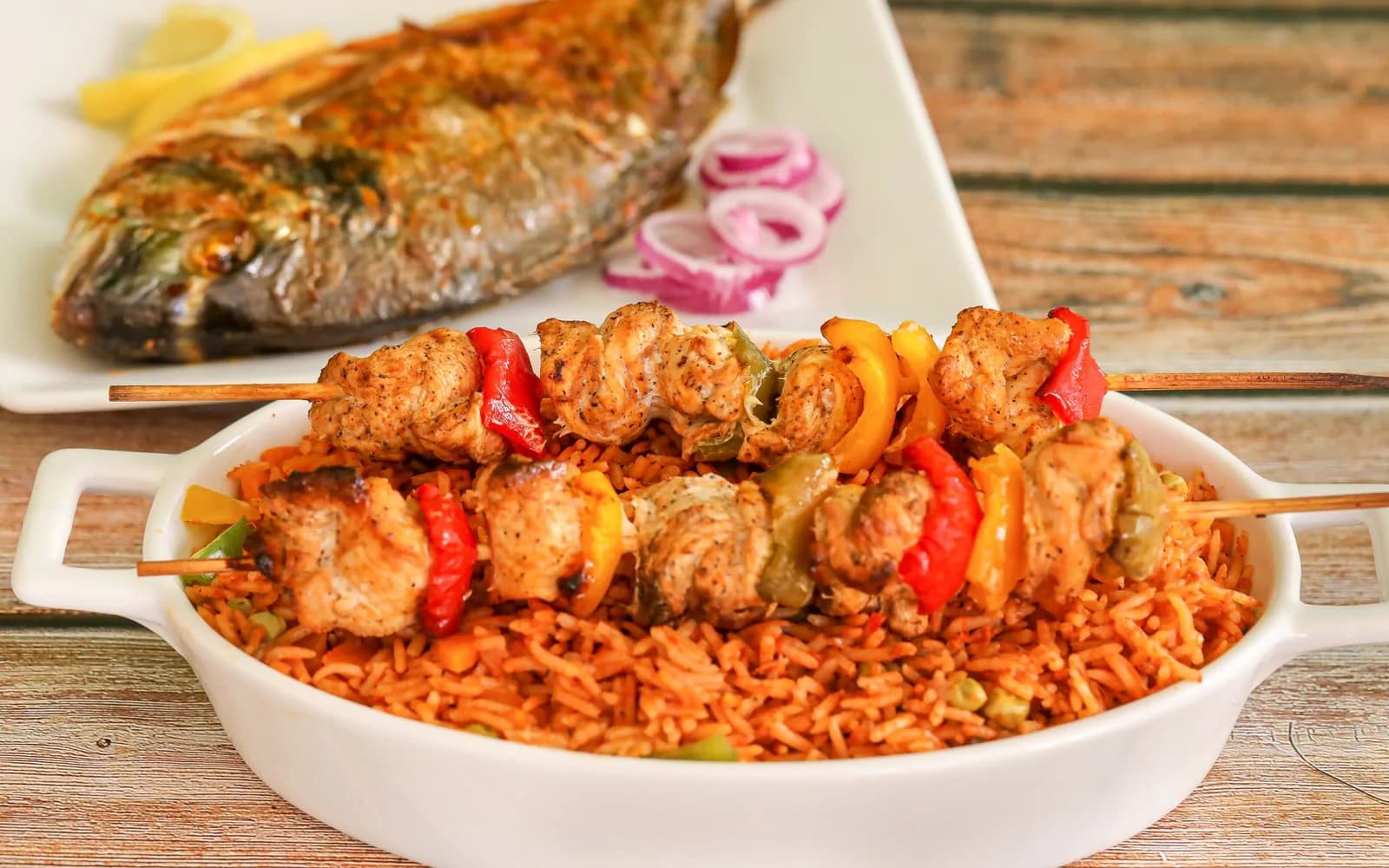
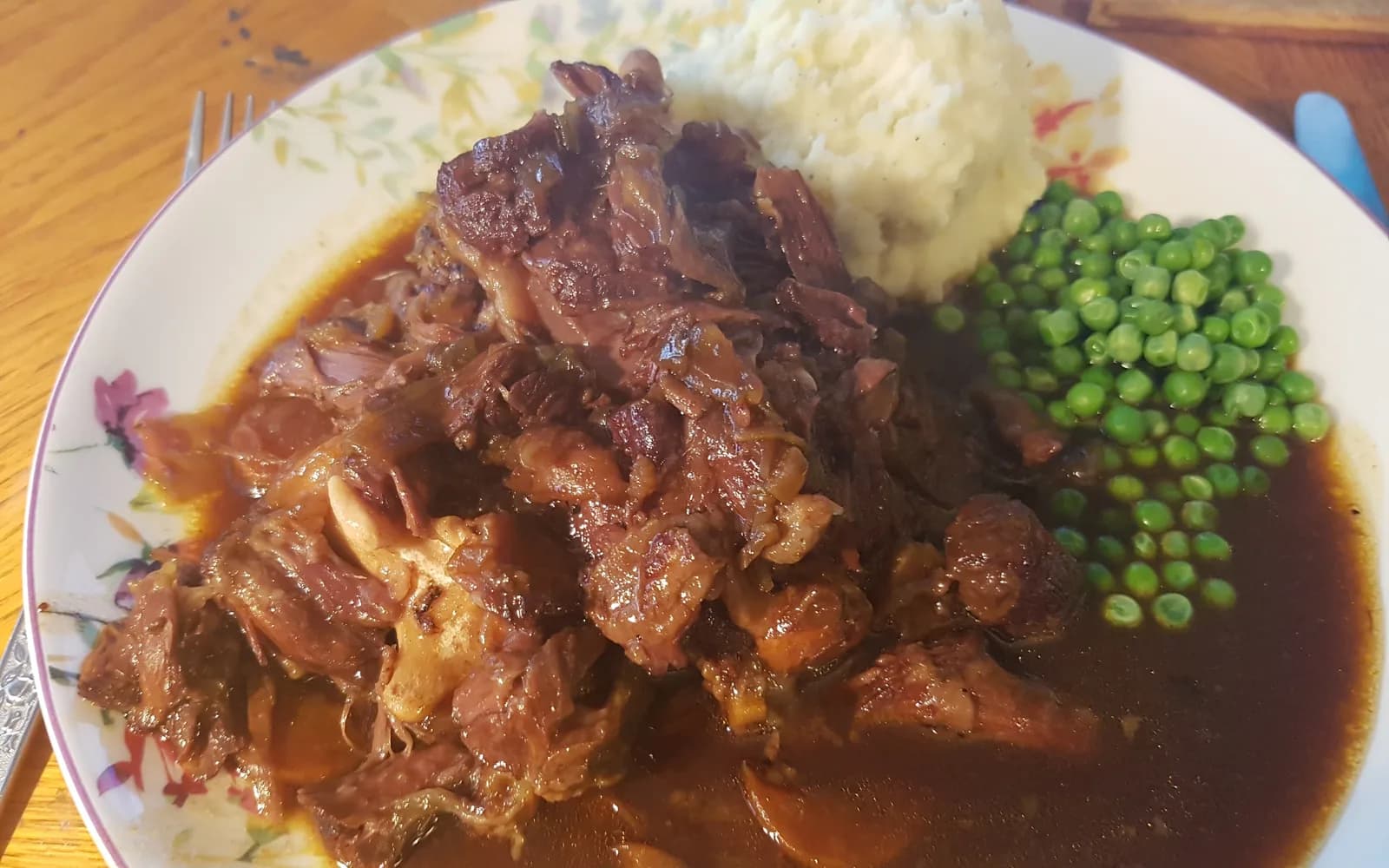
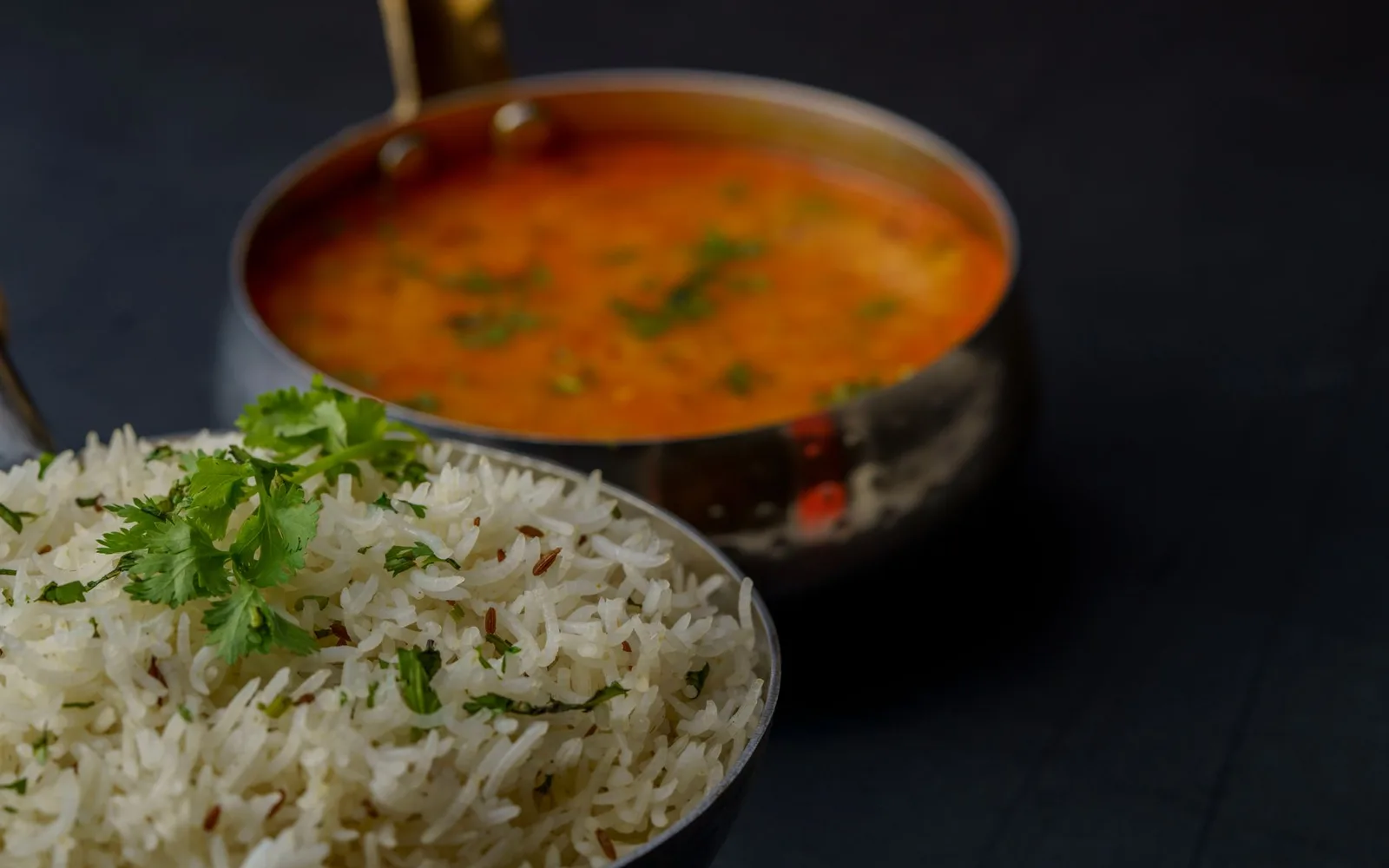
Food memory stories
The dishes remember everything.
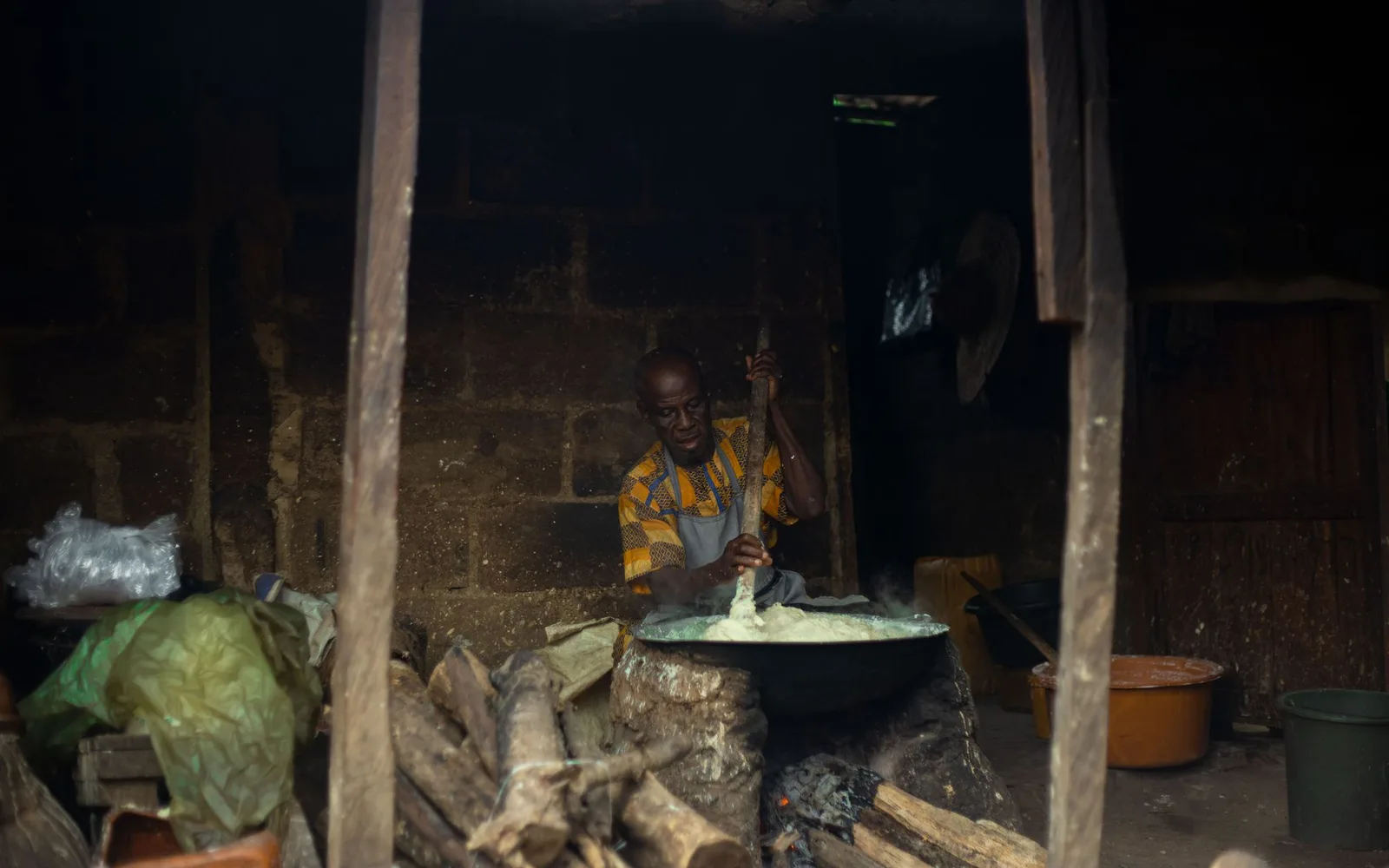
Essays from diaspora kitchens: about the pots, the people, and the flavors that refused to be left behind.
Recipe books
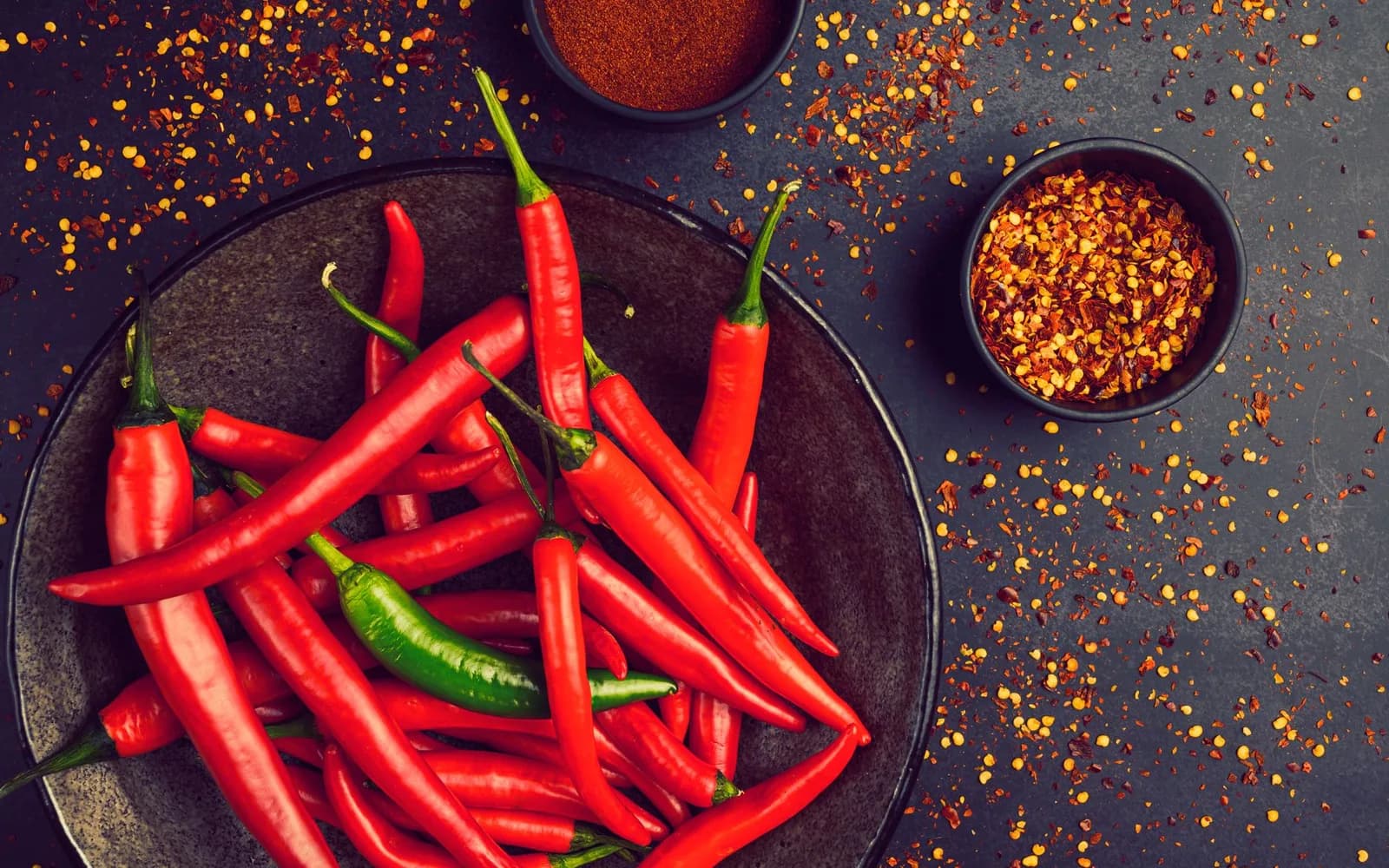
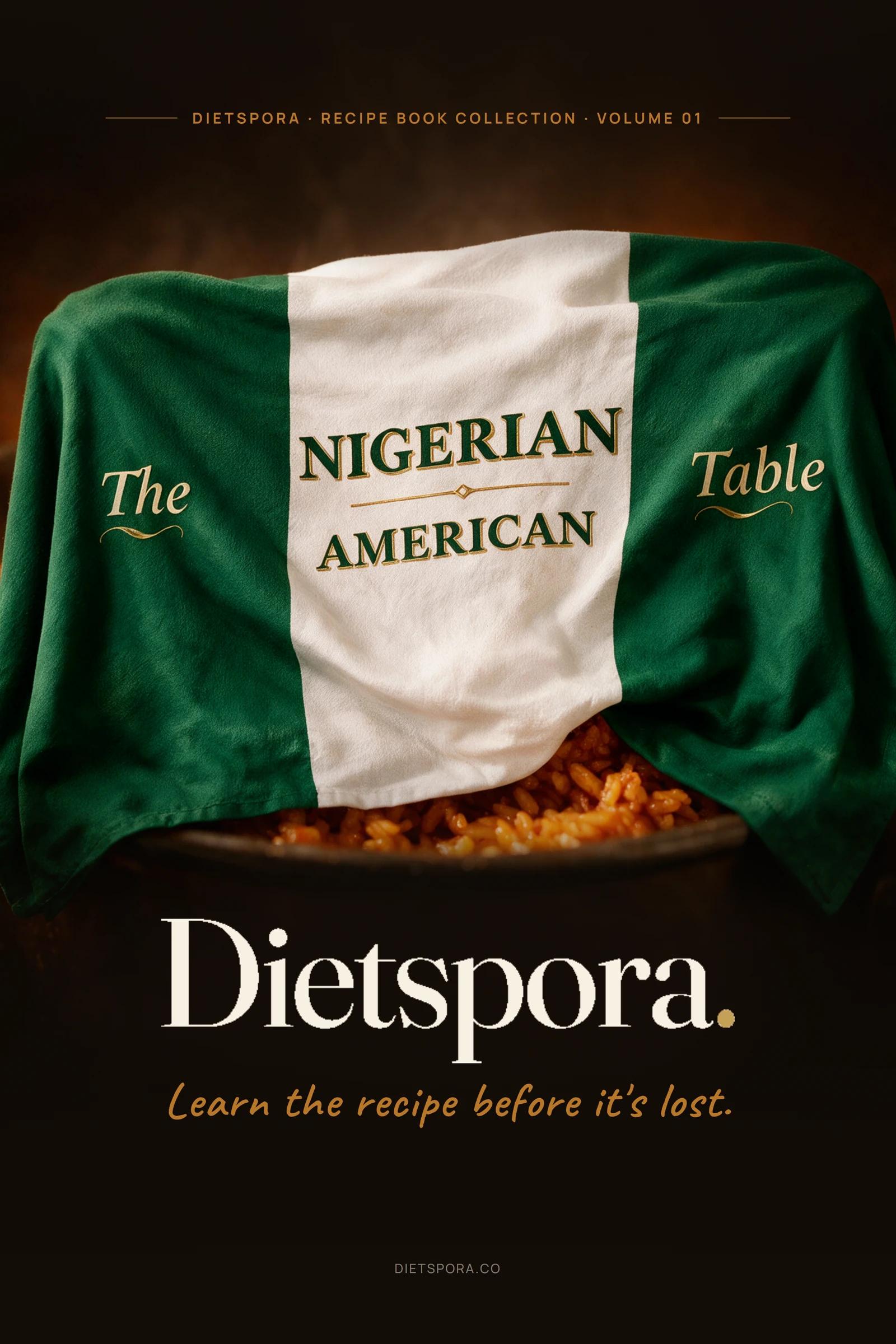
The Nigerian-American Table.
A 51-recipe cookbook for diaspora kitchens. The quiz is the free way in: eight questions, then the dishes you should learn first.
The newsletter
The Recipe Before It's Lost
Recipes, food memories, cultural guides, and one question to ask your family before the knowledge fades.
One email a week. No spam. Just the good stuff, before it fades.
The dish you remember deserves to survive.
Cook from the book, adjust for your table, and keep the brand line as a reminder — not a homework assignment.